History
Desert Water Agency was formed as a special district in 1961 to ensure an adequate water suppply for the western part of the Coachella Valley.
For a look at DWA through the years, check out our gallery and timeline below.
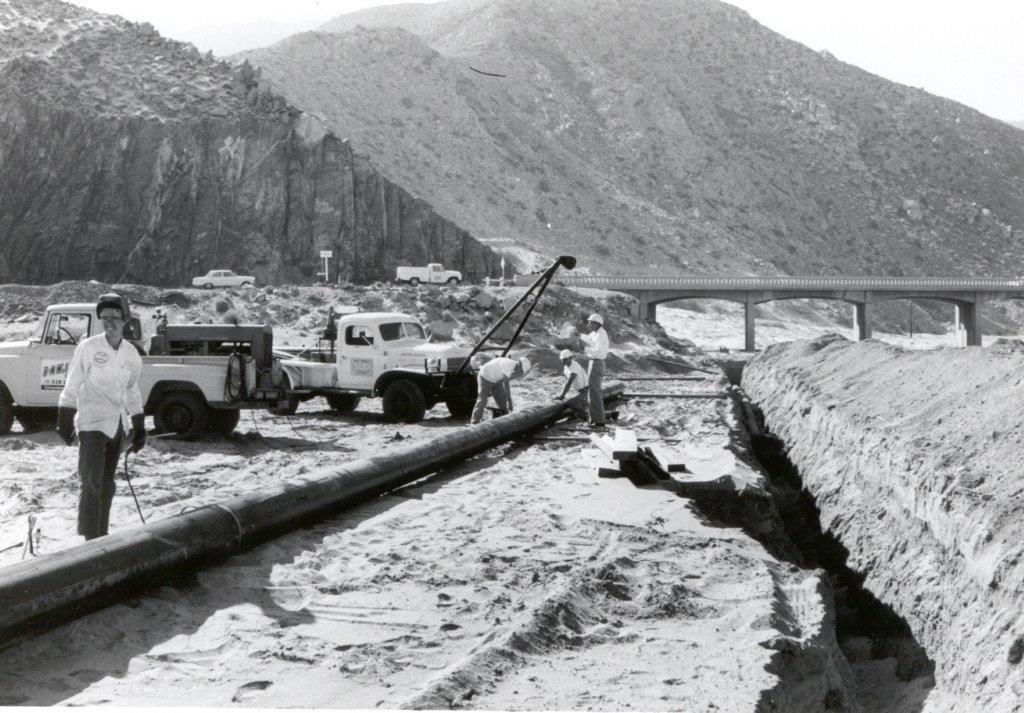
Pipeline installation near Whitewater
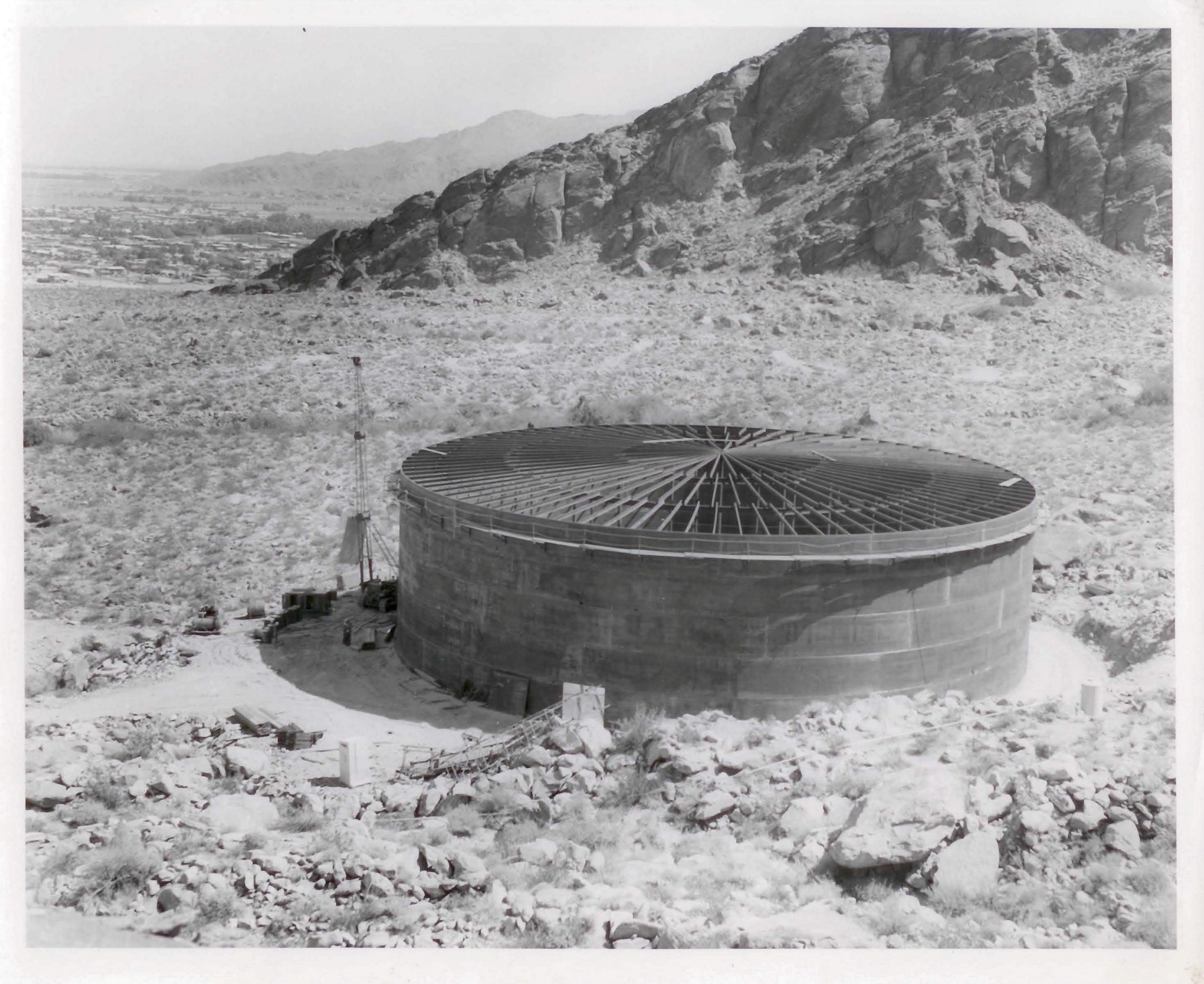
DWA reservoir circa 1961
Construction of the Chino Canyon Reservoir
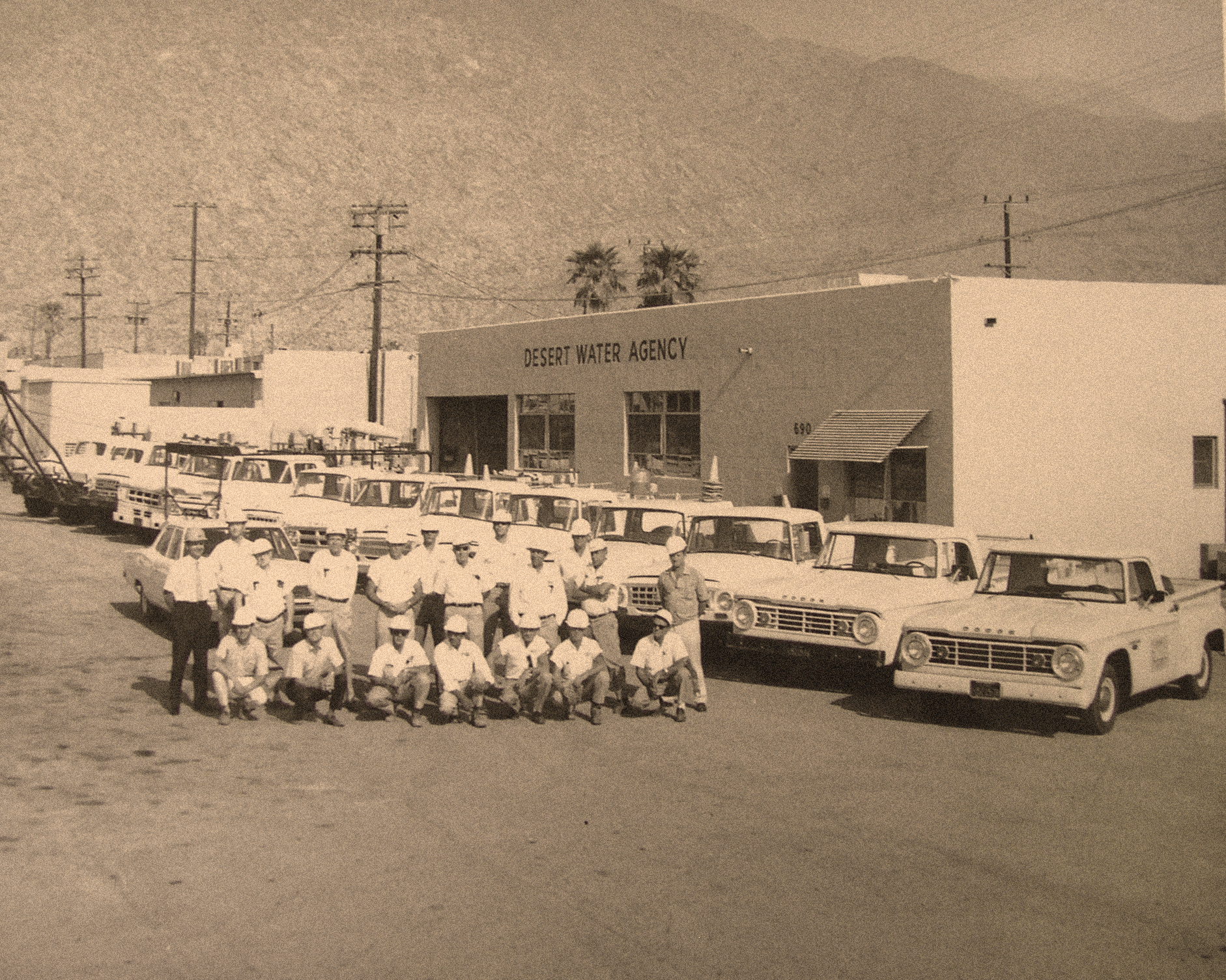
DWA employees
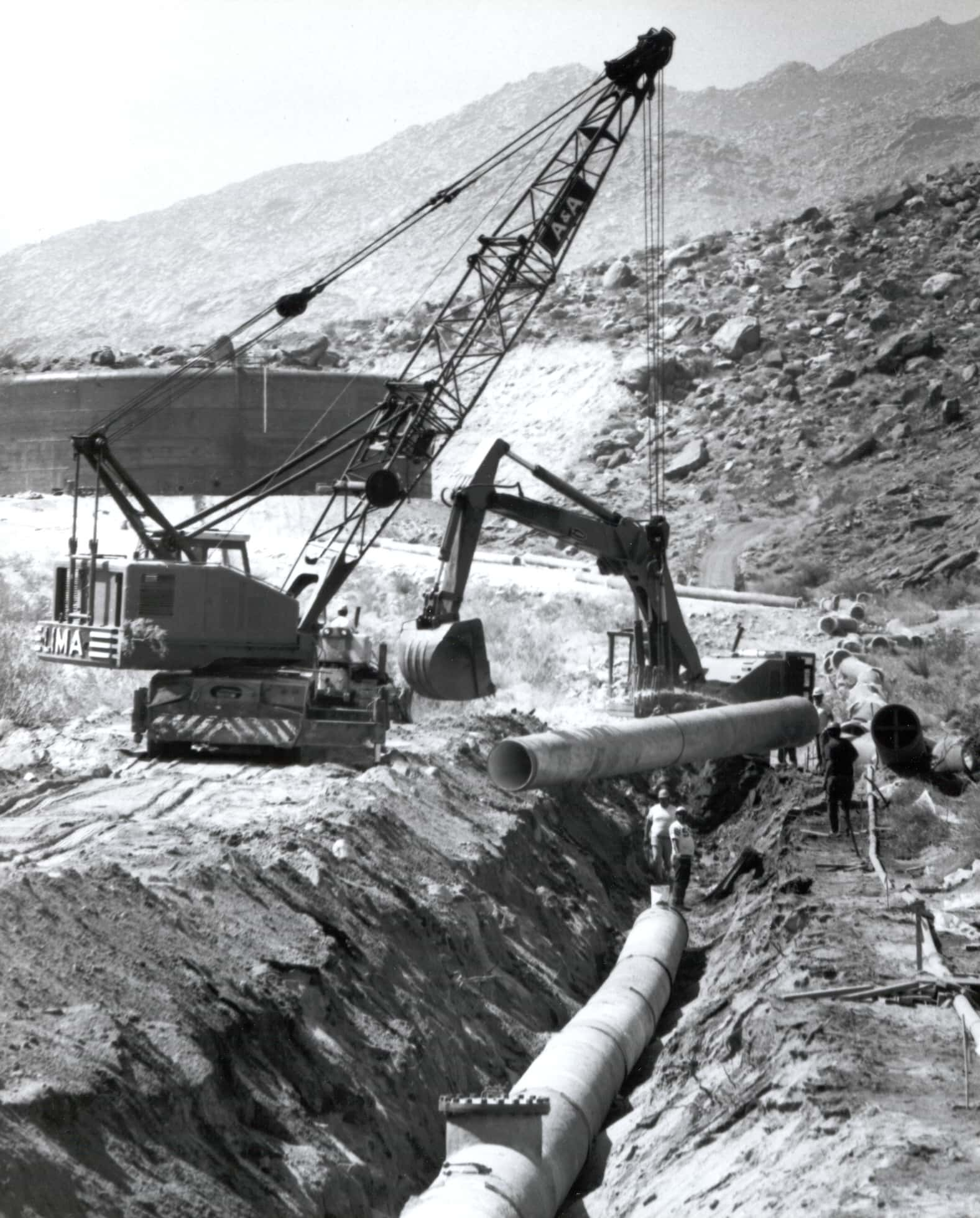
Pipeline installation near Indian Canyons around 1975
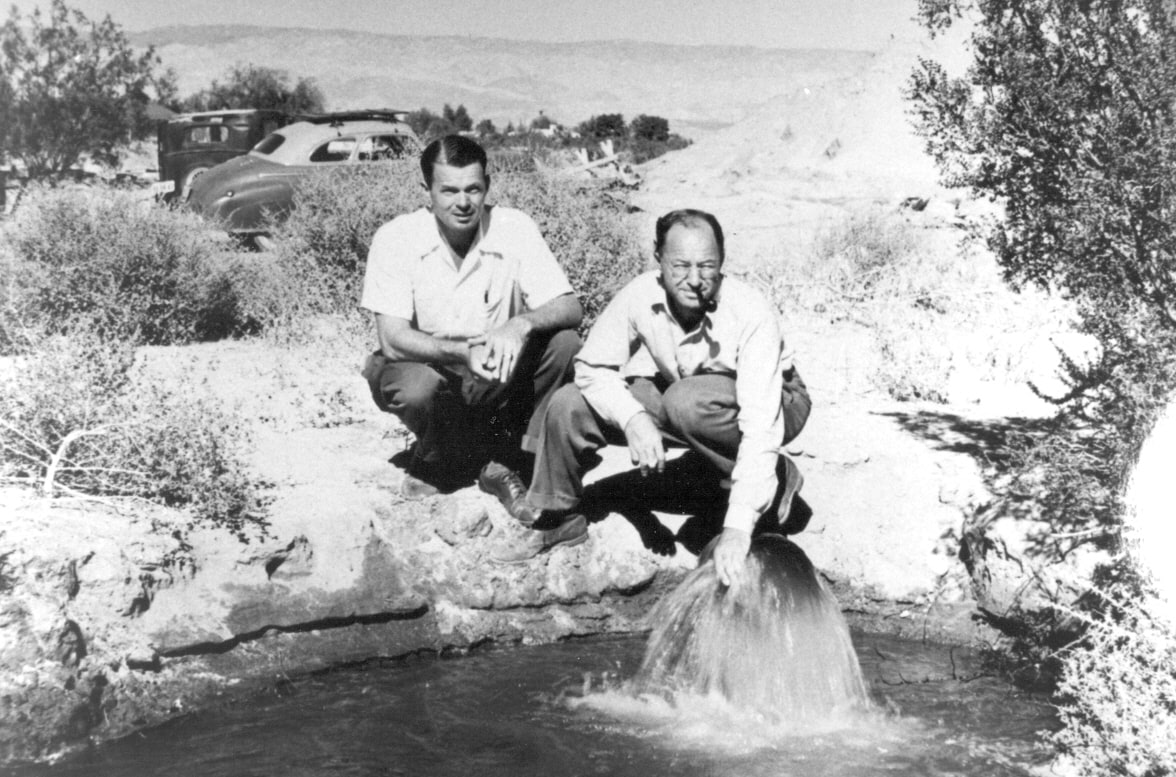
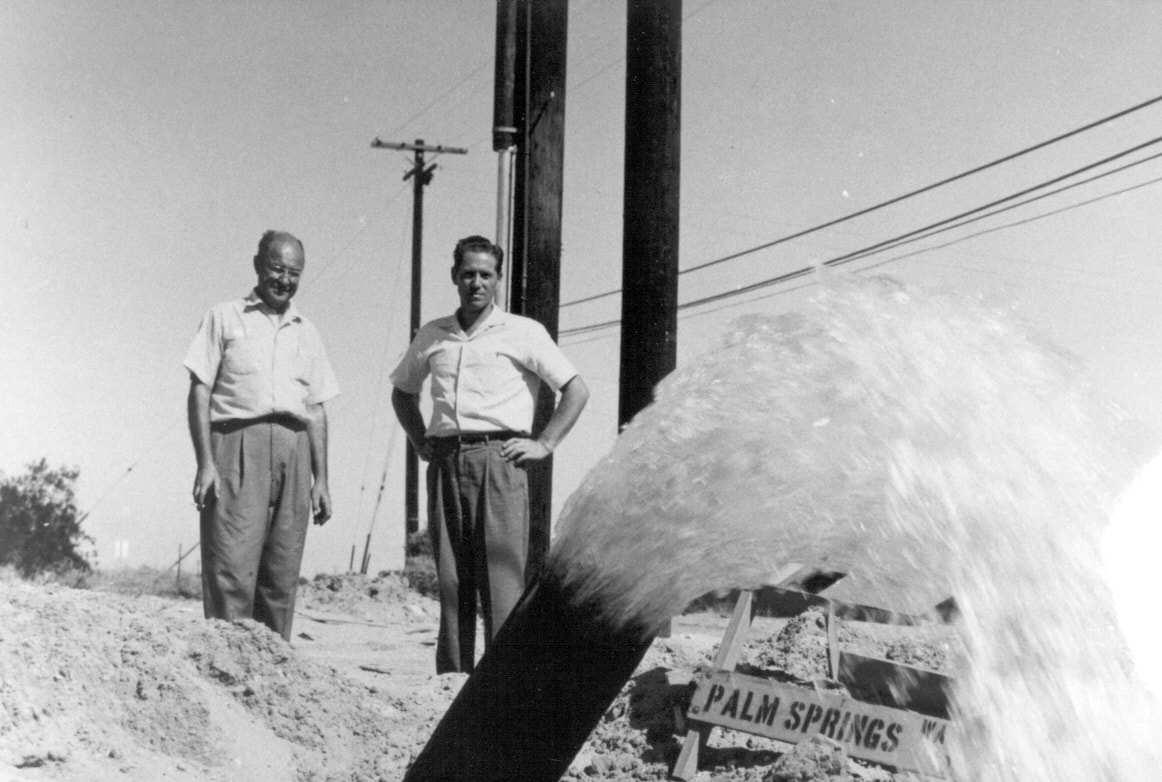
Harold Hicks (left) and Ted Griffith at Well 5 in 1948
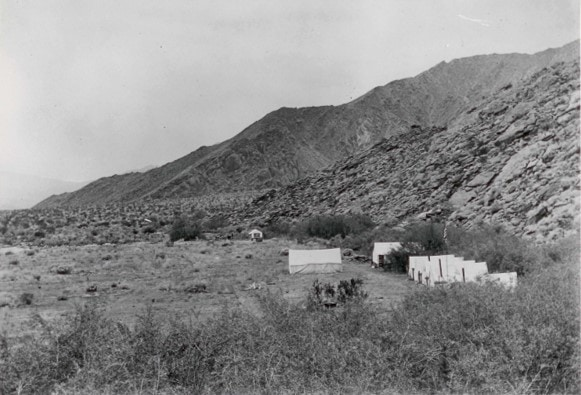
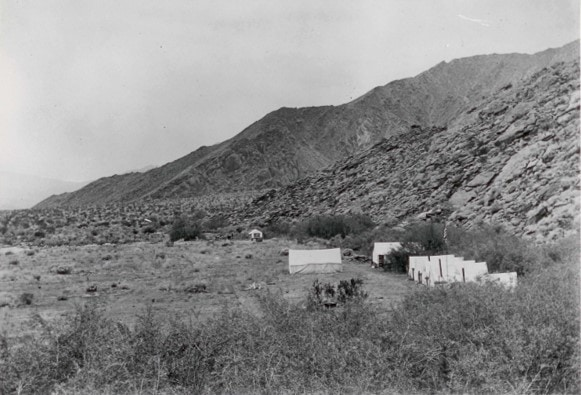
Settlers
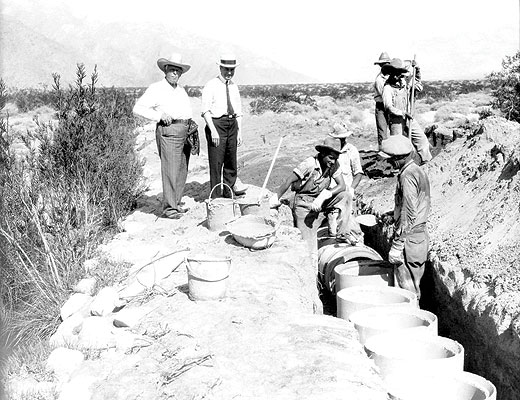
Whitewater
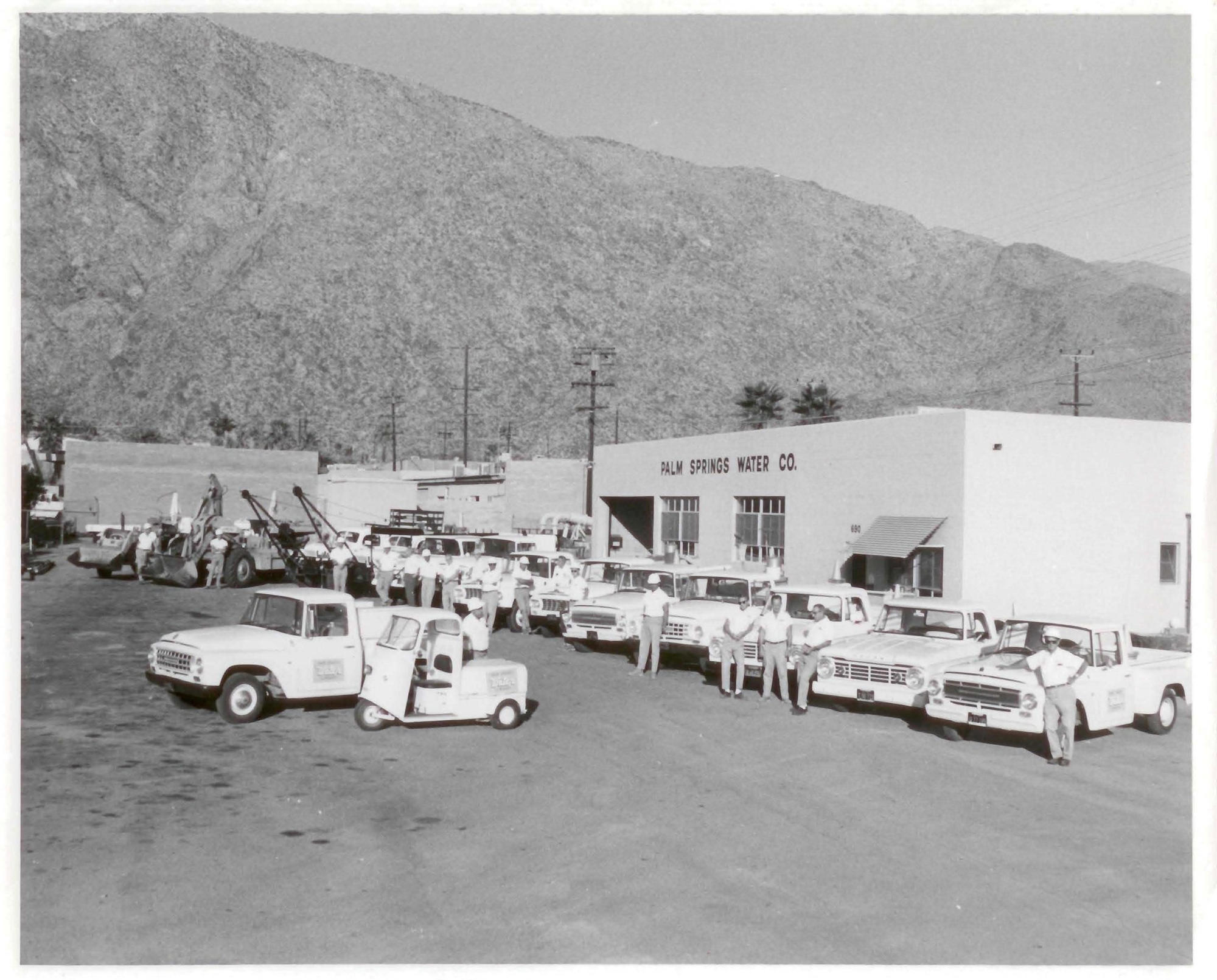
Operations Center yard in 1928
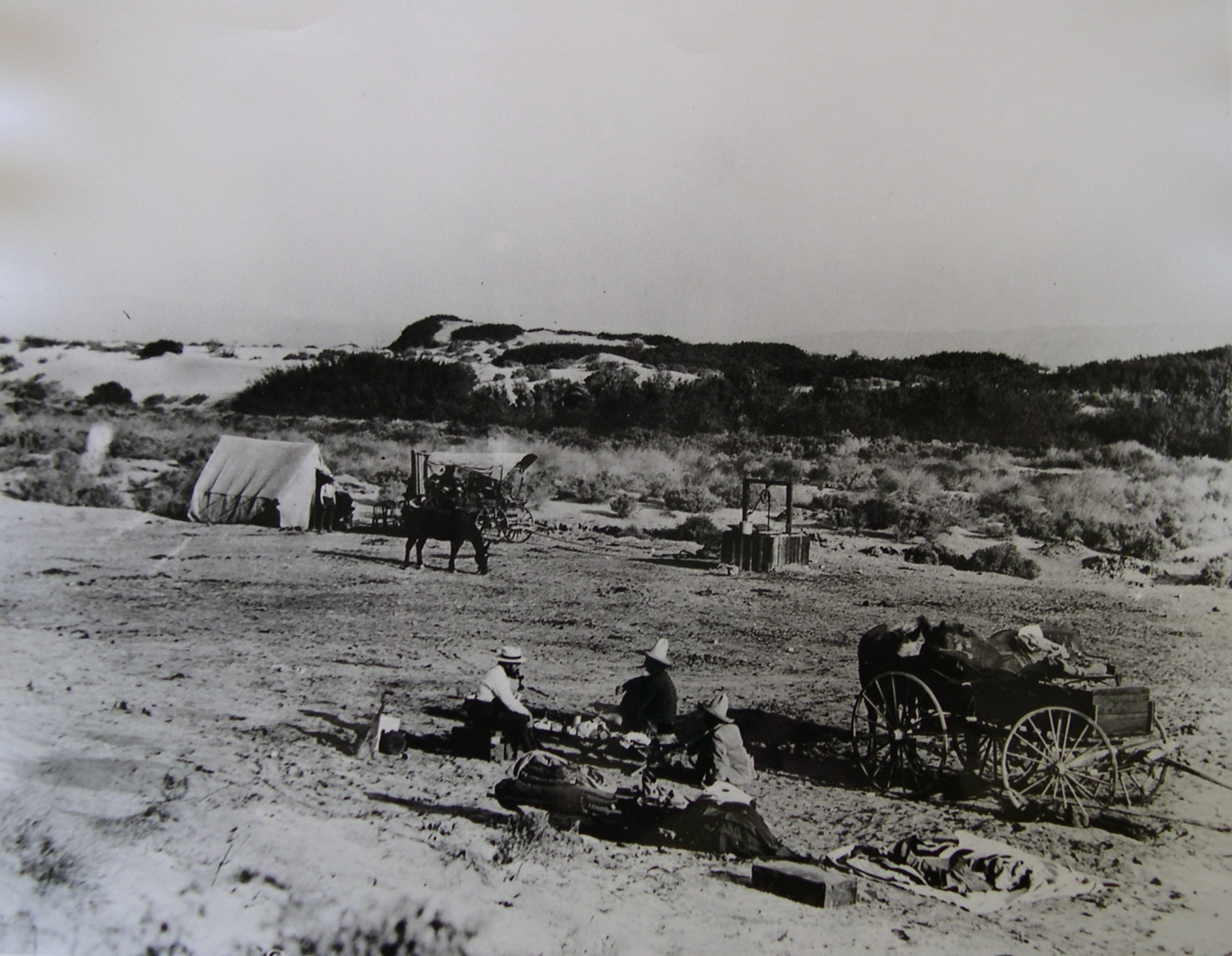
1886
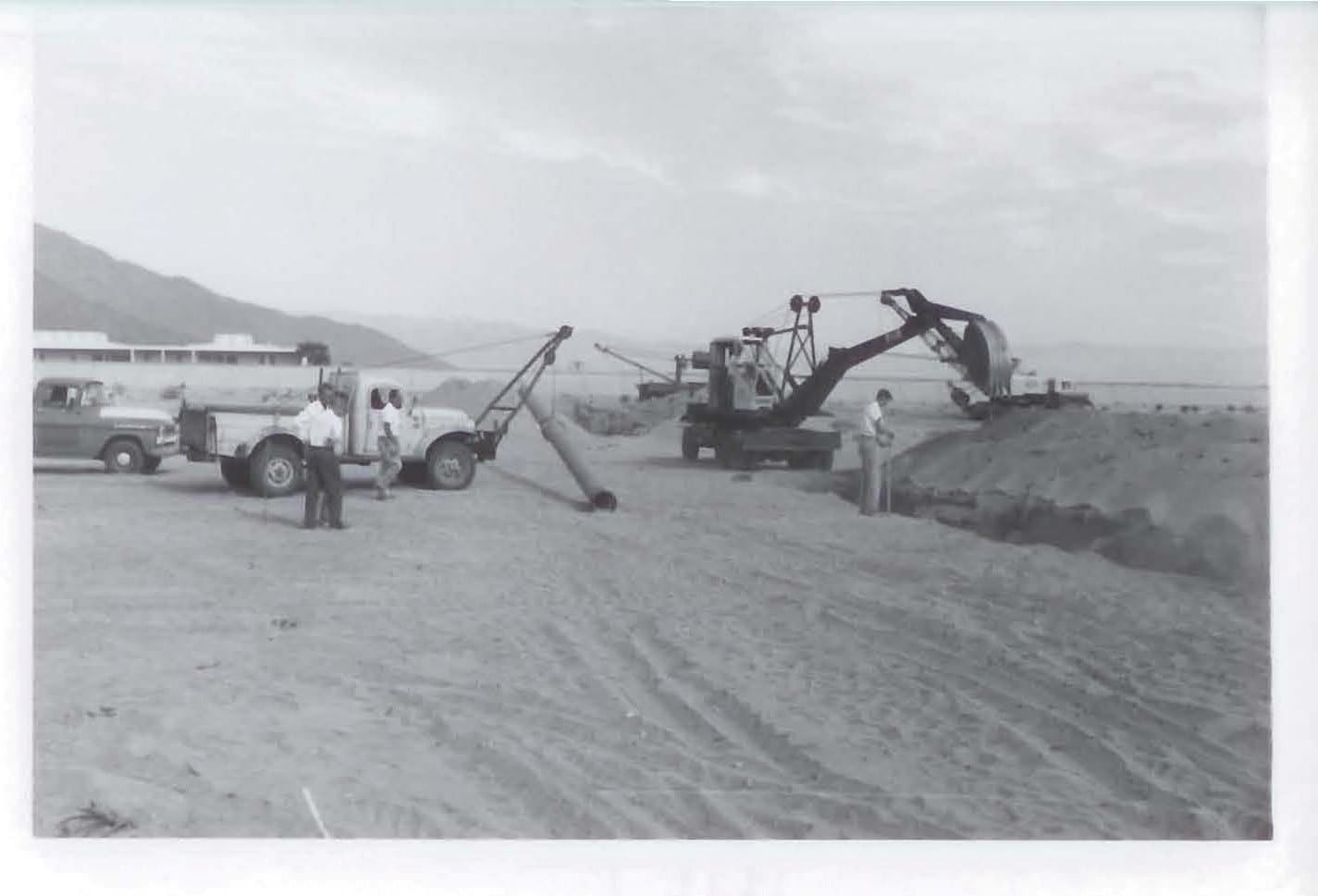
Pipeline installation in 1962
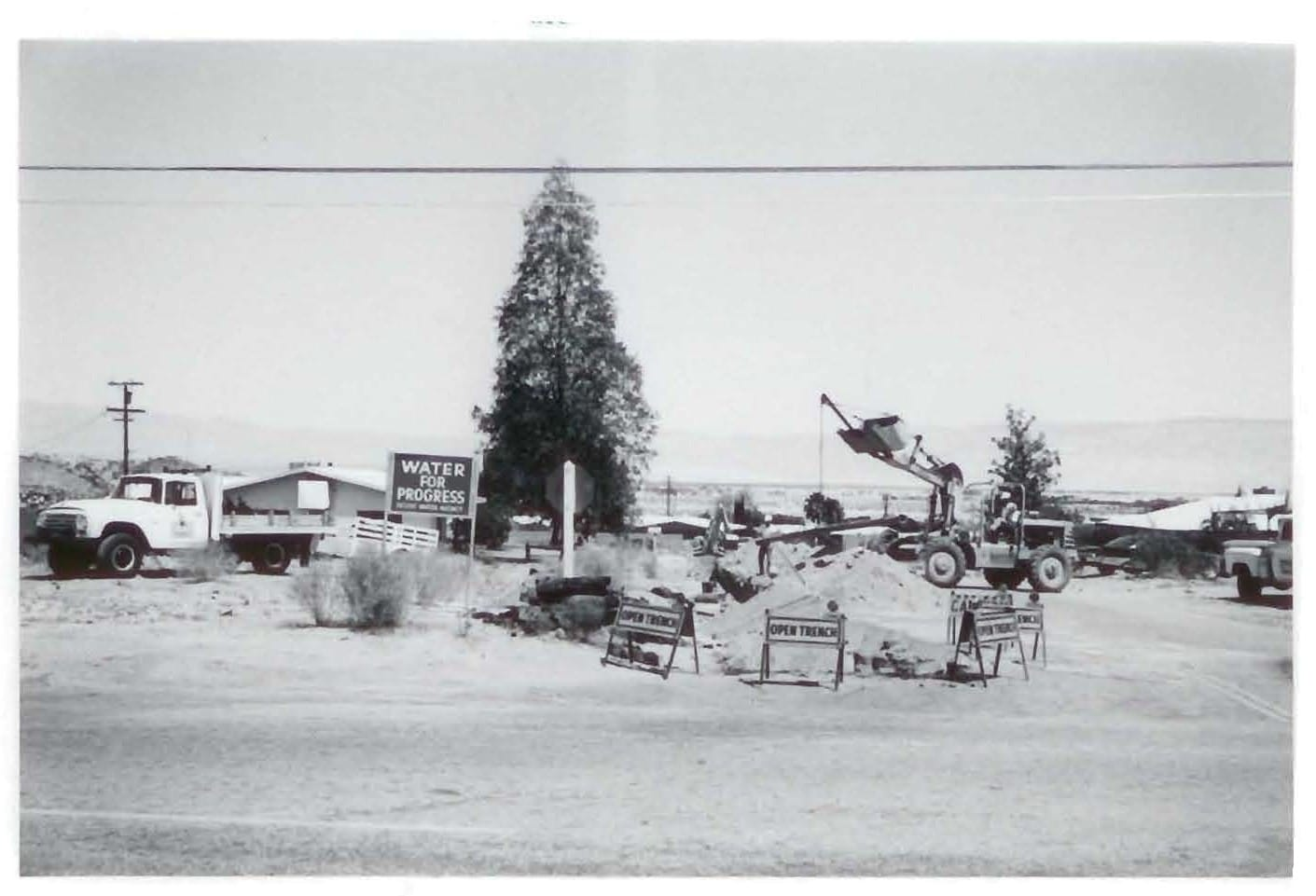
1976
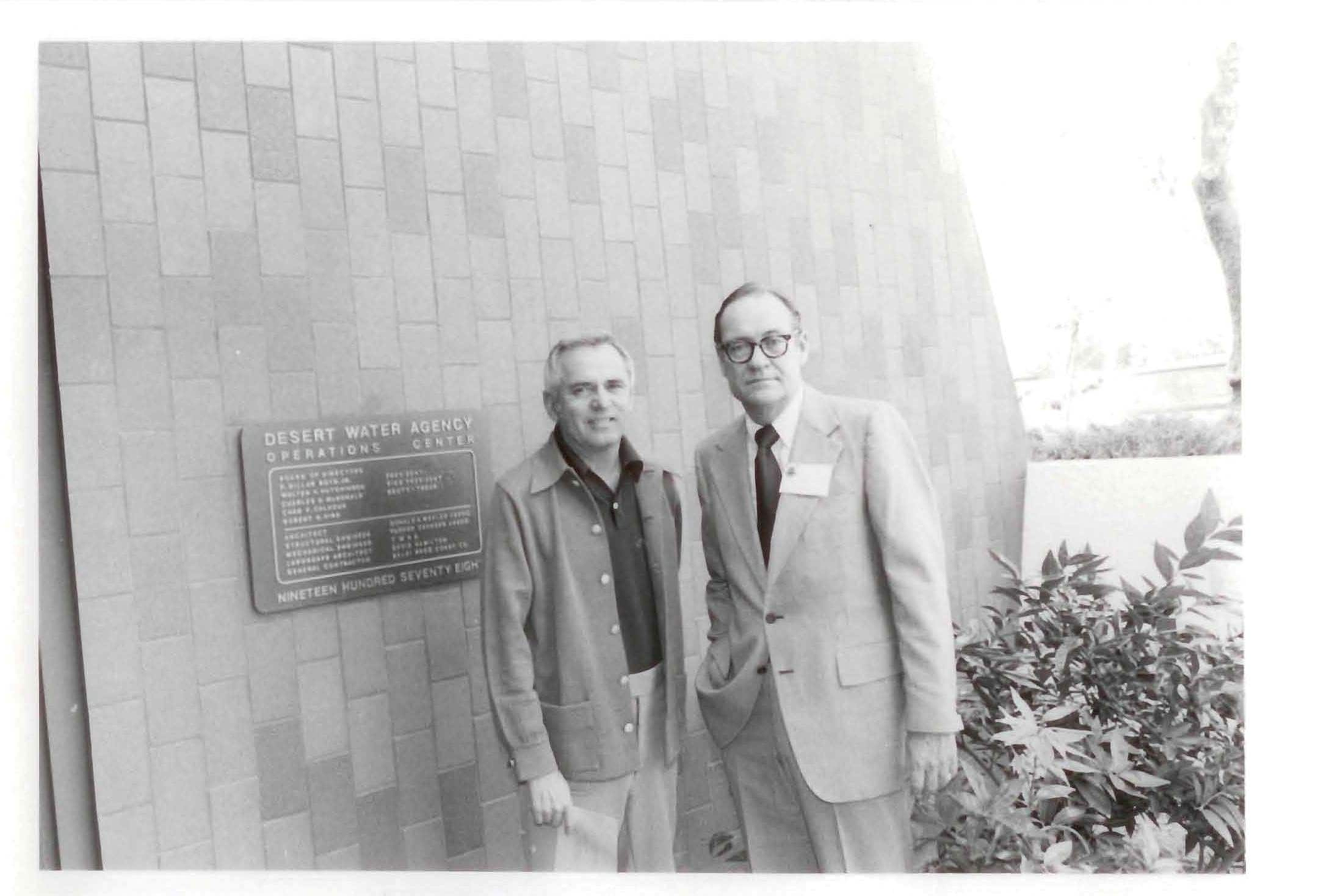
Opening of Operations Center in 1978
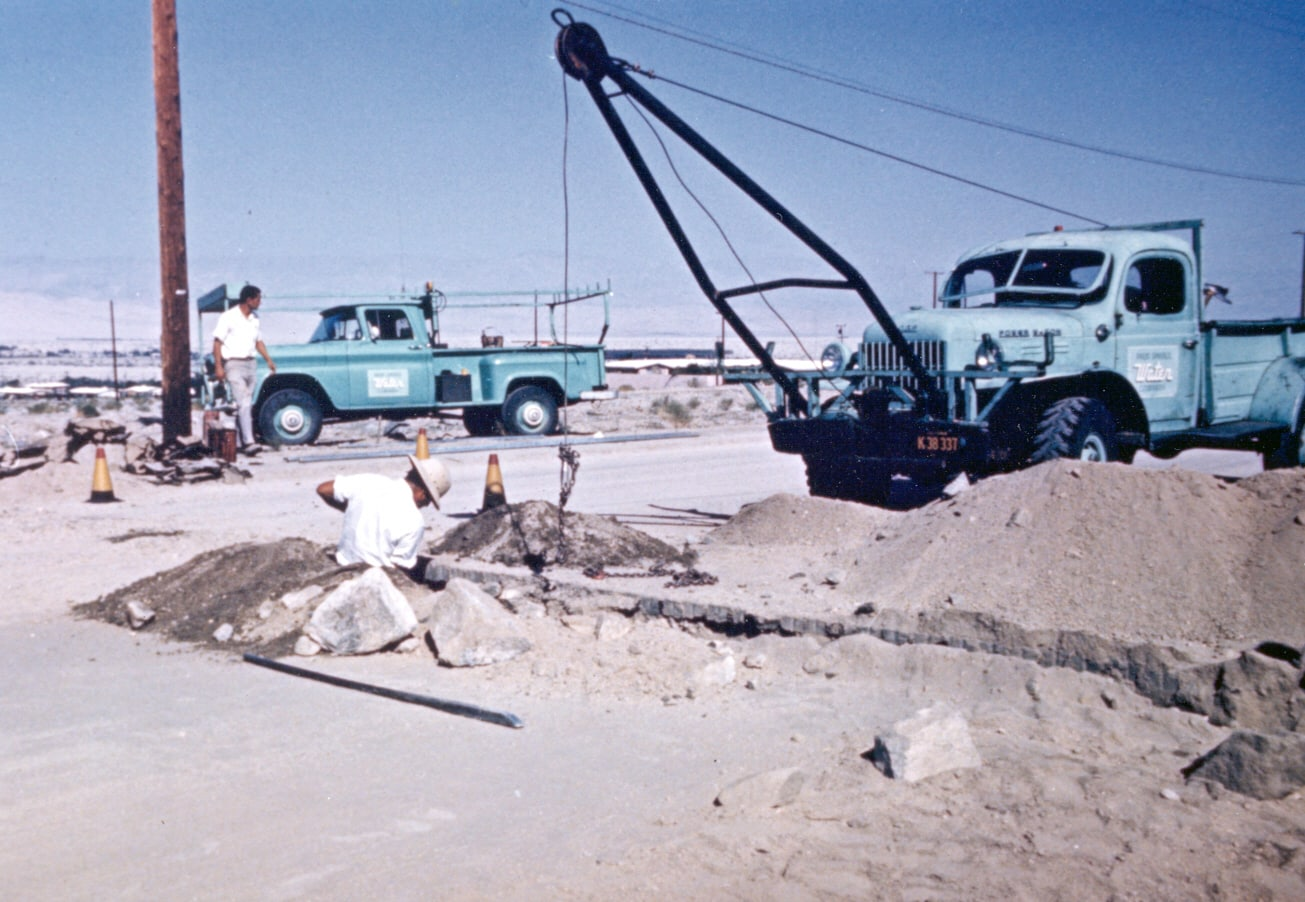
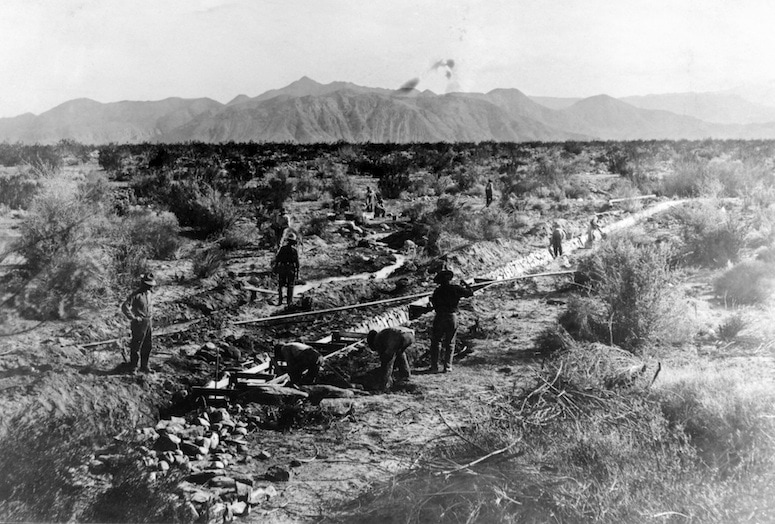
Pipeline installation
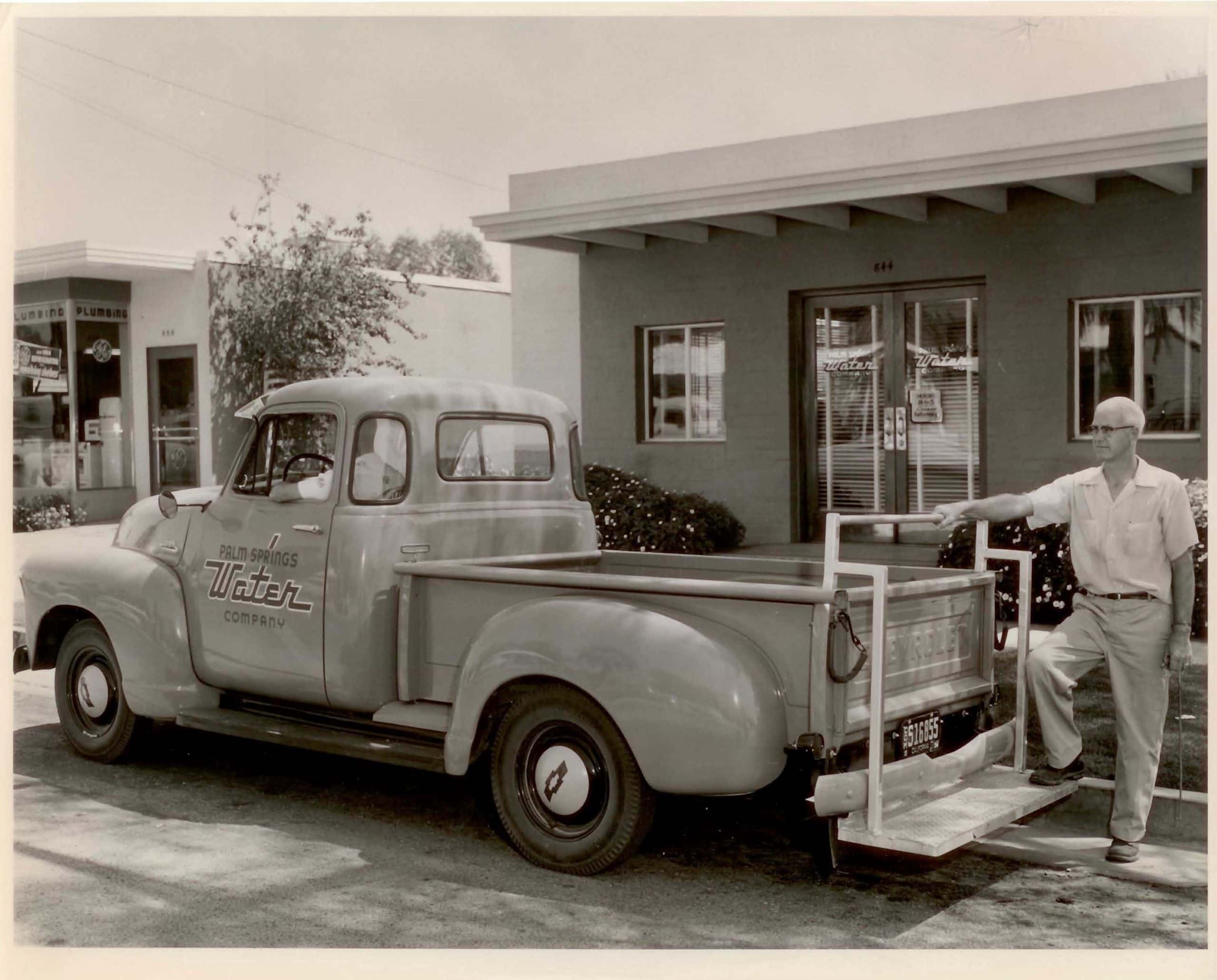
Jay Morrison with a meter reading truck in 1954
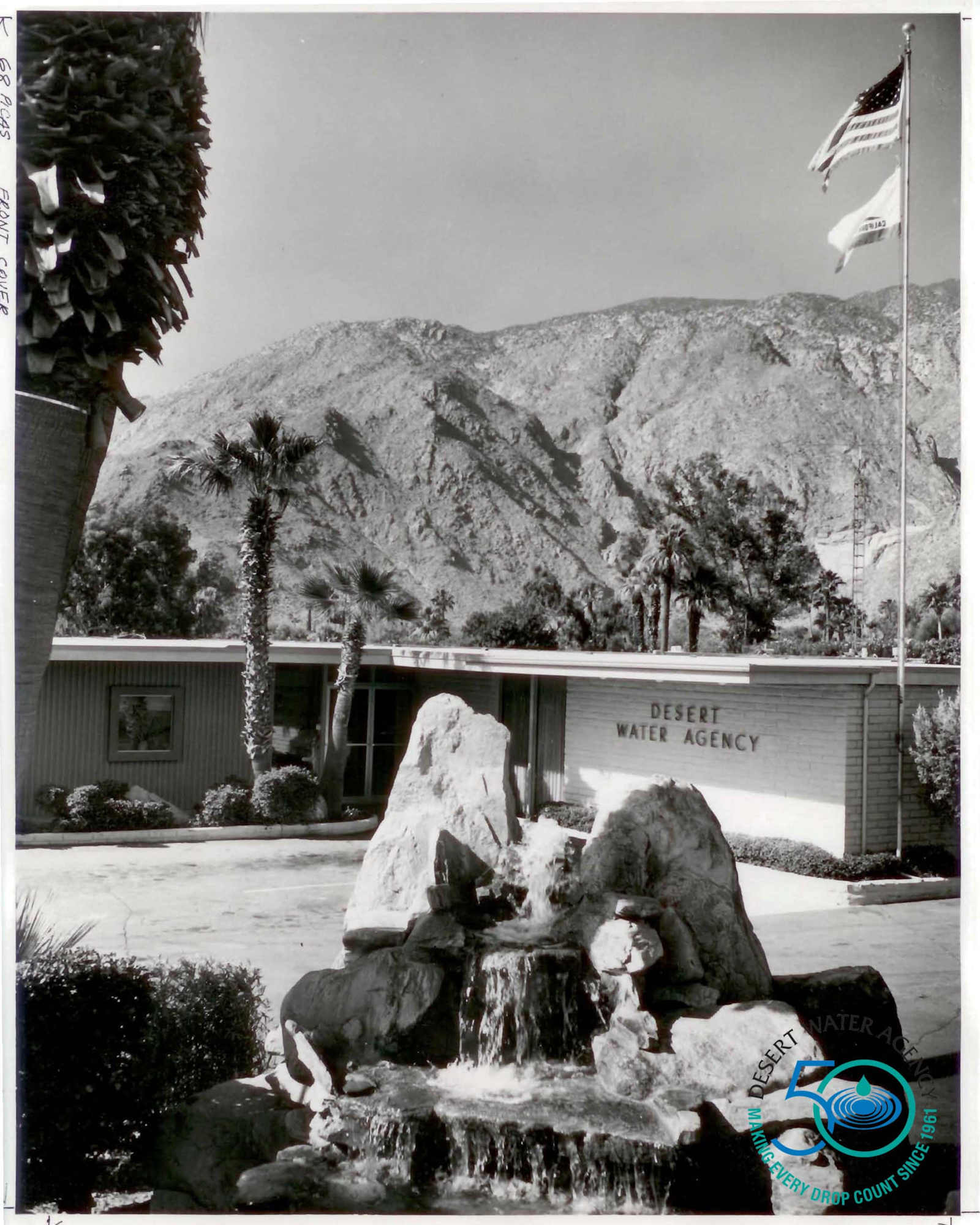
Original Desert Water Agency building
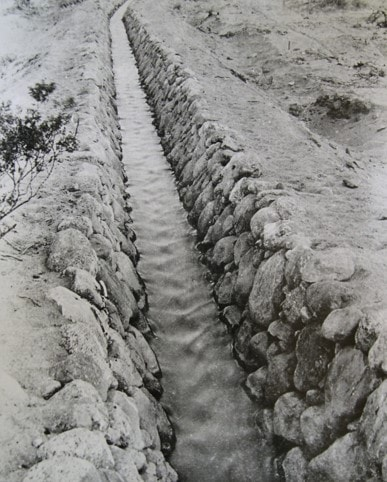
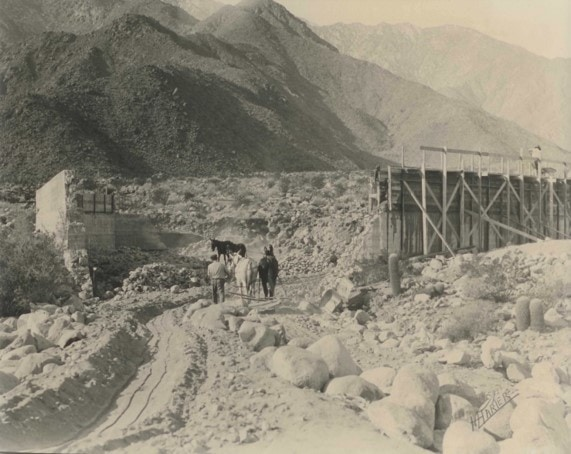
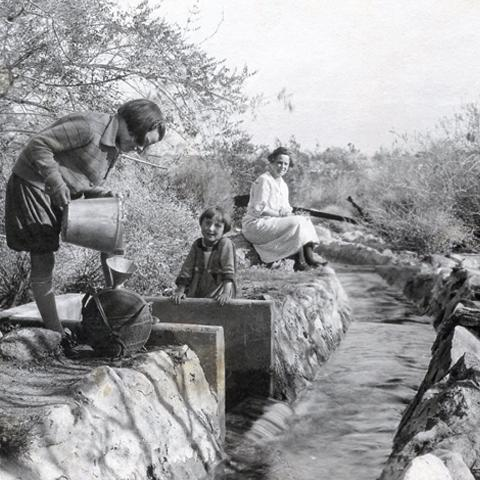
Rock-lined canal that carried water from Whitewater to Palm Springs in the late 1880s
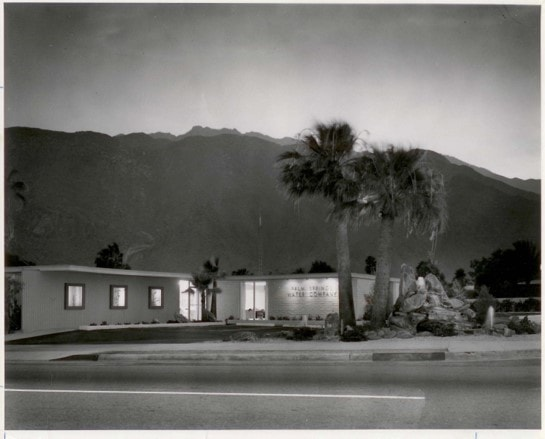
Palm Springs Water Co. building
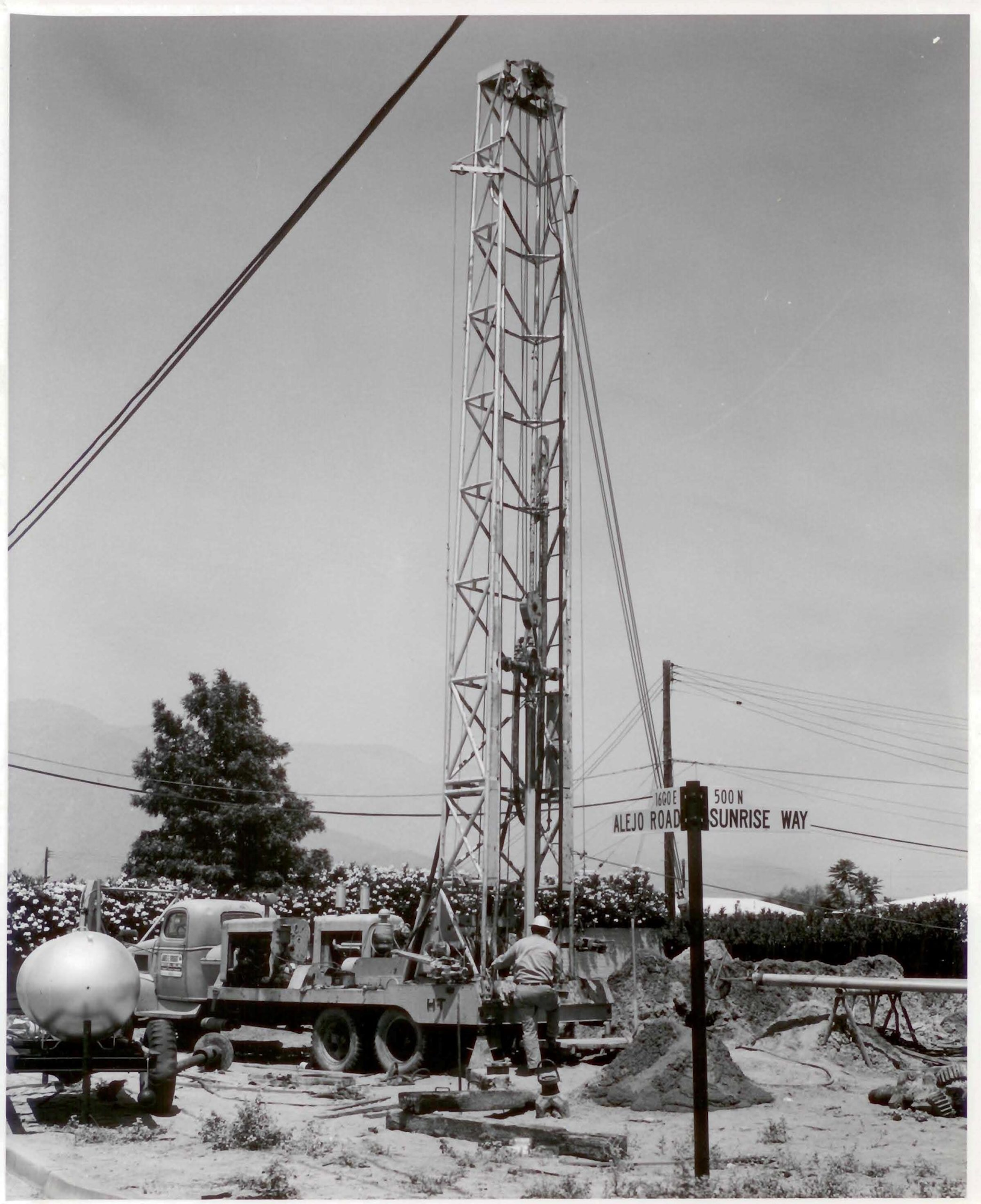
Well 8 drilling in 1963
2025
- DWA Board adopts Ordinance 80 regarding non-functional turf that was required by AB 1572 (2023).
- Desert Water Agency, Agua Caliente Band of Cahuilla Indians, and Coachella Valley Water District come to an agreement to settle two long-standing water rights lawsuits. The settlement addresses all the claims, including disputes over groundwater rights, storage space beneath the Tribe’s Reservation, and groundwater quality.
2024
- The State Water Resources Control Board adopts the “Making Conservation a California Way of Life” regulation, adopting water use budgets statewide for public water systems.
2023
- In March, Governor Gavin Newsom rescinds the emergency drought declaration.
- In the fall, the Governor signs Assembly Bill 1572 (Friedman, 2023) which prohibits the irrigation of non-functional turf with potable water for various property types, excluding single family homes.
2022
- In November, DWA elects board members for divisions 1, 2, and 3. This completes DWA’s transition from at-large elections to elections by division.
2021
- Governor Gavin Newsom declares a state of emergency drought declaration calling for statewide conservation.
2020
- In November, Desert Water Agency transitions from at-large to election by division for its Board of Directors and elects two board members for newly formed divisions 4 and 5. The next division elections would be in November 2022, which would complete the transition to elections by division.
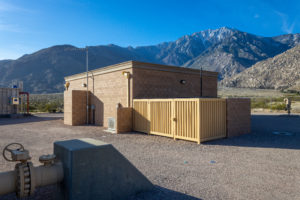
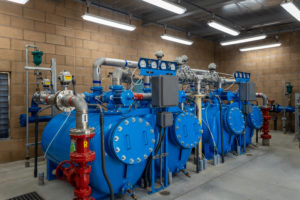
- In October construction of the Snow Creek Filtration Plant is completed. The plant filters water for distribution to Snow Creek Village.
2019
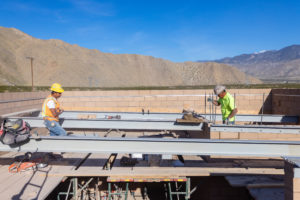
- Construction on the Snow Creek Filtration Plant begins.
2017
- In April, Gov. Jerry Brown lifts the drought state of emergency. The drought is officially over, but DWA still promotes and implements water conservation measures for long-term sustainability.
2015
- Sustainable Groundwater Management Act becomes law.
- DWA becomes Groundwater Sustainability Agency within its boundaries.
- Water restrictions are implemented as a result of the drought.
2014
- MSWD, DWA, CVWD and other agencies work to update Regional Water Management Plan.
2013
- Regional Water Management Plan adopted by MSWD, DWA and CVWD.
2011
- Start of one of the worst droughts in the region on record. Gov. Jerry Brown calls for a “drought state of emergency” across the state.
2010
- MSWD, DWA, CVWD and other agencies work to develop Regional Water Management Plan.
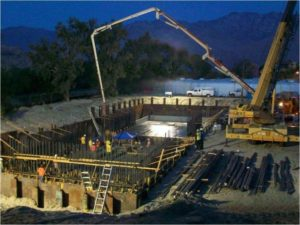
- DWA completes 1/2-million-gallon reservoir, expanding the influent storage capacity at the recycling facility.
2007
- DWA re-landscapes the Operations Center with water efficient desert landscaping to serve as a conservation garden.
2005
- DWA installs a solar field at its operations center.
2002
- DWA completes construction of the Mission Creek Groundwater Replenishment ponds to recharge the subbasins in the area north of Palm Springs with imported water.
2001
- Desert Water Agency requests MSWD support to commence groundwater replenishment program.
- MSWD passes Resolution 2001-15 to support DWA's groundwater replenishment program.
1981
- MSWD General Manager sends letter to DWA acknowledging DWA and CVWD as the entities responsible for managing and replenishing the Mission Creek Groundwater Subbasin.
1973
- DWA and CVWD begin replenishing groundwater supply through exchange with Metropolitan Water District of Southern California.
1968
- DWA purchased the Palm Springs and Cathedral City Water Company to provide domestic and municipal water service to the area.
1967
- DWA and CVWD enter into separate exchange agreements with Metropolitan Water District for Colorado River Supplies.
1962
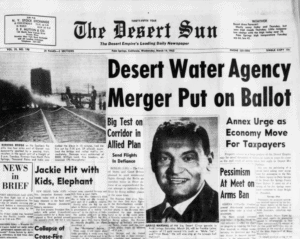
- DWA enters into contract with the Department of Water Resources for imported water.
- Property owners in Desert Hot Springs area petition DWA to be brought into the DWA boundary.
- DWA passes ordinance to annex Desert Hot Springs area only if Desert Hot Springs County Water District (now named Mission Springs Water District) consents.
- Desert Hot Springs County Water District (now MSWD) passes resolution to be annexed into DWA.
- Desert Hot Springs community votes to be annexed into DWA service area.
- DWA expands boundaries.
1961
- On Sept. 15, Senate Bill 1082 becomes effective, establishing DWA as a special district.
- On Sept. 18, the Riverside County Board of Supervisors appoints the first DWA directors: Francis Crocker, Edgar McCoubrey, George Ripley and Herbert Samson, all of Palm Springs, and Ivan Sharp of Cathedral City.